
Older Adults and Depression: The Signs and Symptoms
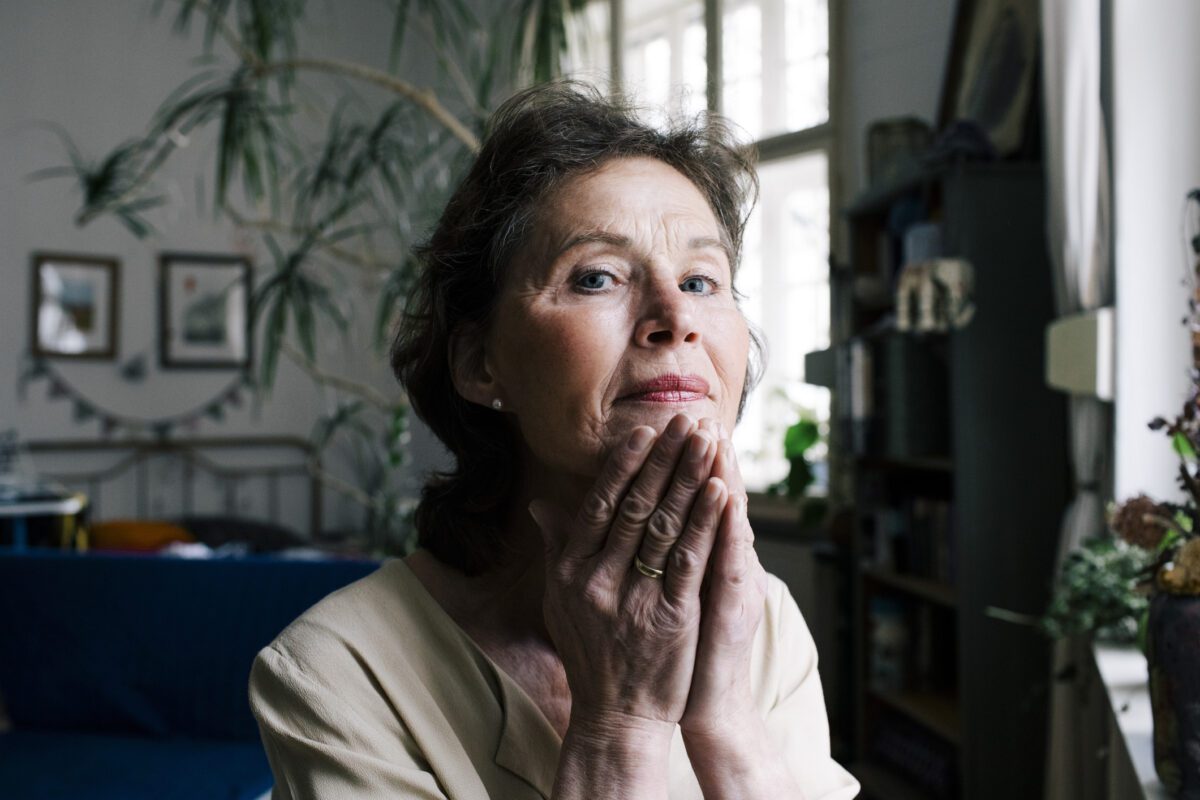
Depression is a common but serious mood disorder that affects how a person feels, thinks and handles daily activities. While it can occur at any age, depression is often overlooked in older adults. Understanding the signs of depression in older adults is crucial for ensuring their mental health and well-being.
Recognizing the Signs of Depression in Older Adults
Depression in seniors can be different from depression in younger people. Older adults may experience depression differently, and it is often mistaken for other age-related issues. It is important to understand the difference between the effects of aging and mental health issues. Here are some signs to look out for:
Emotional symptoms
- Persistent Sadness: A lasting feeling of sadness or emptiness.
- Loss of Interest: A lack of interest in hobbies or activities that once brought joy.
- Hopelessness: Feeling hopeless or helpless about the future.
- Irritability: Increased irritability or frustration over small matters.
Physical symptoms
- Fatigue: Persistent tiredness or lack of energy.
- Sleep Problems: Difficulty sleeping or sleeping too much.
- Appetite Changes: Changes in appetite, leading to weight loss or gain.
- Aches and Pains: Unexplained aches, pains or digestive issues.
Cognitive symptoms
- Difficulty Concentrating: Trouble focusing, remembering details or making decisions.
- Indecisiveness: Struggling to make even simple decisions.
- Memory Problems: Increased forgetfulness or confusion.
Causes of Depression in Older Adults
Several factors can contribute to depression in older adults, including:
Biological factors
- Genetic Predisposition: A family history of depression can increase risk.
- Brain Changes: Aging-related brain changes can affect mood and emotional regulation.
- Medical Conditions: Chronic illnesses such as heart disease, diabetes or cancer.
Psychological factors
- Loneliness and Isolation: Social isolation or lack of a supportive network.
- Loss and Grief: Bereavement or loss of loved ones can trigger depression.
- Fear of Death: Anxiety about mortality or the dying process.
Environmental Factors
- Living Conditions: Poor living conditions or moving to a care facility.
- Retirement: Loss of identity or purpose post-retirement.
- Financial Strain: Stress from financial difficulties or fixed income.
Effects of Depression on Older Adults
Depression can have severe effects on the overall health of older adults, impacting their quality of life significantly.
Physical health
Depression in seniors can lead to a decline in physical health. It may worsen existing medical conditions, increase susceptibility to infections and slow recovery from illness or surgery.
Mental health
Depression can exacerbate cognitive decline, leading to an increased risk of dementia. It can also intensify feelings of loneliness and hopelessness, further impacting mental well-being.
Social life
Depression often leads to withdrawal from social activities and relationships, resulting in increased isolation and loneliness. This lack of social engagement can further worsen depression, creating a vicious cycle.
Quality of life
The overall quality of life can diminish significantly, with depression affecting the ability to enjoy life, maintain relationships and perform daily activities.
Addressing Depression in Older Adults
Recognizing and addressing depression in older adults is crucial for improving their quality of life. Here are some steps that can be taken:
Seeking professional help
Consulting with a healthcare provider is essential for diagnosing and treating depression. Treatment options may include:
- Therapy: Cognitive-behavioral therapy (CBT) or other counseling methods can be effective.
- Medication: Antidepressants may be prescribed, but should be carefully monitored.
- Support Groups: Joining support groups for seniors can provide social support and understanding.
Lifestyle changes
Encouraging positive lifestyle changes can help manage depression symptoms:
- Physical Activity: Regular exercise can improve mood and physical health.
- Healthy Diet: A balanced diet can support overall well-being.
- Sleep Routine: Establishing a regular sleep schedule can improve sleep quality.
Social engagement
Promoting social interaction is vital for combating loneliness and depression:
- Community Activities: Participating in community events or clubs can foster social connections.
- Family Visits: Regular visits from family members can provide emotional support.
- Volunteering: Engaging in volunteer work can offer a sense of purpose and fulfillment.
Help Seniors Receive Support
Depression in older adults is a serious issue that can greatly affect their quality of life. By recognizing the signs and symptoms of depression, understanding its causes and taking proactive steps to address it, we can help improve the mental health and well-being of our older population.
Ensuring that seniors receive the support and care they need is crucial for helping them lead fulfilling and happy lives in their later years.
If you know a senior who may struggle with depression or another mental health disorder, Friends Hospital in Philadelphia can help. Our older adult unit offers compassionate treatment specific to the needs of older adults. To schedule a level of care assessment or learn more, please call 800-889-0548.






Help is only a call away.
We’re available 24 hours a day, seven days a week to provide a confidential mental health assessment for you or your loved one. Call us at 800-889-0548, visit our facility, or contact us to get started.