
Know the Signs: Women’s Mental Health
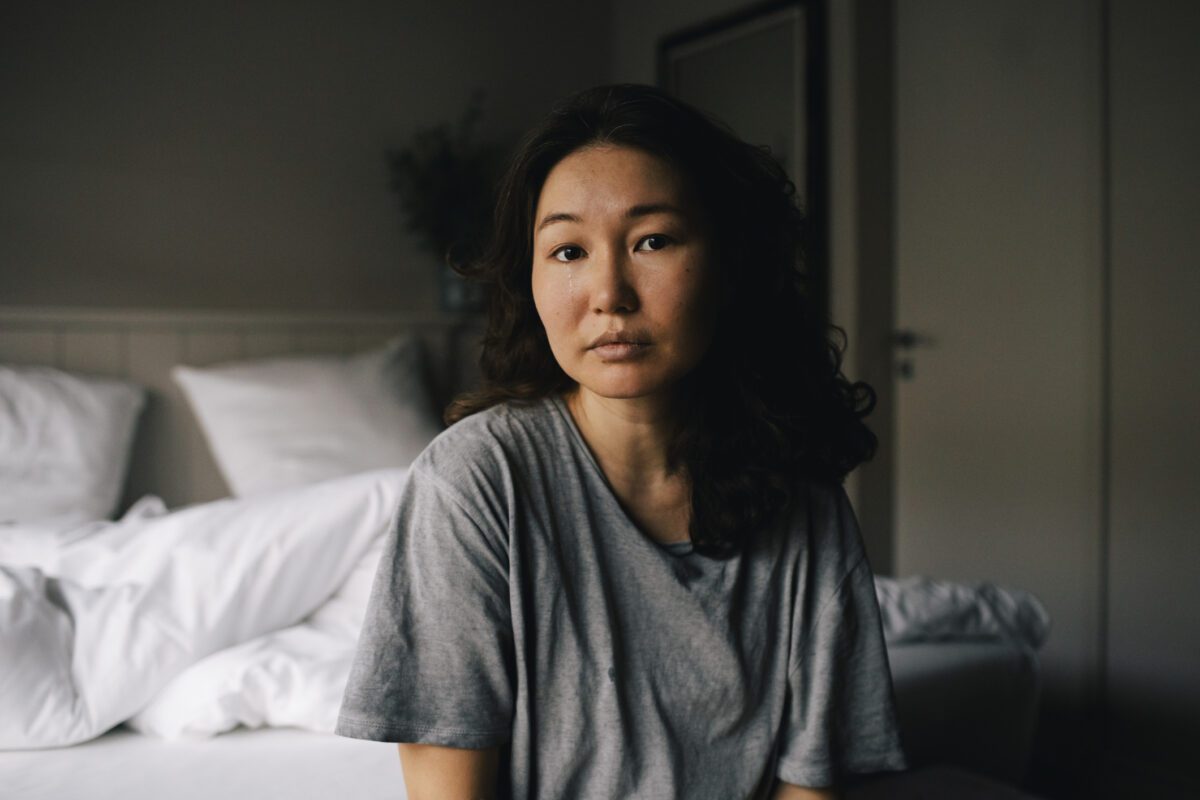
Women face unique challenges and pressures that can impact their mental well-being. It’s essential to know the signs of mental health issues such as depression, anxiety, bipolar disorder and eating disorders. By understanding these signs and knowing the treatment options available for women, we can recognize when and how they should seek help for a mental health issue.
Signs of Depression in Women
Depression can manifest differently in women compared to men. Where men are often more likely to exhibit frustration or anger, women tend to express sadness or a sense of hopelessness. Recognizing these signs is the first step toward getting help.
Emotional symptoms
Women with depression may experience persistent sadness, feelings of hopelessness or a lack of interest in activities they once enjoyed. They may also feel overwhelmed by feelings of guilt or worthlessness. These emotions can interfere with daily life and relationships.
Physical symptoms
Depression isn’t just mental; it affects the body too. Women might experience fatigue, changes in appetite or unexplained aches and pains. Sleep disturbances, such as insomnia or excessive sleeping, are also common.
Behavioral changes
Depression can lead to withdrawal from social activities, neglecting personal responsibilities or a drop in work performance. If you notice these changes in yourself or a loved one, it’s important to consider seeking professional help.
Anxiety Symptoms in Women
Anxiety disorders are prevalent in women, often linked to hormonal changes or life events. Recognizing anxiety symptoms can help in managing them effectively.
Common symptoms
Women with anxiety may feel restless, irritable or on edge. They might have difficulty concentrating or experience racing thoughts. Physical symptoms can include heart palpitations, sweating and shortness of breath.
Impact on daily life
Anxiety can be debilitating, affecting work, relationships and overall quality of life. Women might avoid certain situations or become overly cautious, fearing negative outcomes. Recognizing these patterns is crucial for seeking treatment.
Women and Bipolar Disorder
Bipolar disorder involves mood swings that range from depressive lows to manic highs. Understanding its symptoms in women is key to managing the condition.
Depressive episodes
During depressive episodes, women might experience similar symptoms to those of depression. It’s important to note the cyclical nature of these episodes, which distinguishes bipolar disorder from other mood disorders.
Manic episodes
Manic episodes are characterized by heightened energy, euphoria or irritability. Women might engage in risky behaviors, have racing thoughts or experience decreased need for sleep. These episodes can be disruptive and may require medical intervention.
Eating Disorders in Women
Eating disorders such as anorexia, bulimia and binge eating disorder are serious mental health conditions that predominantly affect women.
Warning signs
Signs of eating disorders include preoccupation with weight, body shape or food. Women might avoid meals, engage in excessive exercise or have a distorted body image. It’s vital to approach these concerns with sensitivity and seek professional help.
Health consequences
Eating disorders can lead to severe physical health issues, including malnutrition, heart problems and gastrointestinal disorders. Early intervention is critical for recovery and reducing long-term health risks.
Mental Health Treatment for Women
Recognizing the need for treatment is the first step toward recovery. Various options are available for women facing mental health challenges.
Therapy
Psychotherapy, such as cognitive-behavioral therapy, can prove effective in treating depression, anxiety and eating disorders. It helps women understand their thoughts and behaviors and develop positive coping strategies.
Medication
For some women, medication can be a crucial part of treatment. Antidepressants, anti-anxiety medications and mood stabilizers can help manage symptoms. It’s important to work with a healthcare provider to find the right medication and dosage.
Support groups
Support groups provide a space for women to share experiences and learn from others facing similar challenges. These groups can be in-person or online and offer emotional support and practical advice.
Self-care strategies
Encouraging self-care practices is essential for mental health. Regular exercise, a balanced diet, and sufficient sleep can significantly improve mood and reduce symptoms. Mindfulness practices, such as meditation and yoga, can also be beneficial.
A Vital Aspect of Overall Well-Being
Women’s mental health is a vital aspect of their overall well-being. By understanding the signs of depression, anxiety, bipolar disorder and eating disorders, women can take proactive steps to seek help. Treatment options, including therapy, medication and support groups, are available. Prioritizing mental health and seeking early intervention can lead to a healthier, more fulfilling life.
If you or a loved one struggles with mental health, help is available. Friends Hospital in Philadelphia serves the mental health needs of adults and older adults, including specialized care for LGBTQ+ individuals. Learn more about our services or schedule a confidential, level of care assessment by calling 215-831-4600.




Help is only a call away.
We’re available 24 hours a day, seven days a week to provide a confidential mental health assessment for you or your loved one. Call us at 800-889-0548, visit our facility, or contact us to get started.